


Unlocking Radiant Skin: The Top Benefits of Chemical Peels

Chemical peels have become a popular skincare treatment for those seeking smoother, brighter, and healthier skin. If you’ve ever wondered how to refresh your complexion without invasive procedures, chemical peels offer a practical solution. This post explores the key benefits of chemical peels, how they work and what you can expect from the treatment.
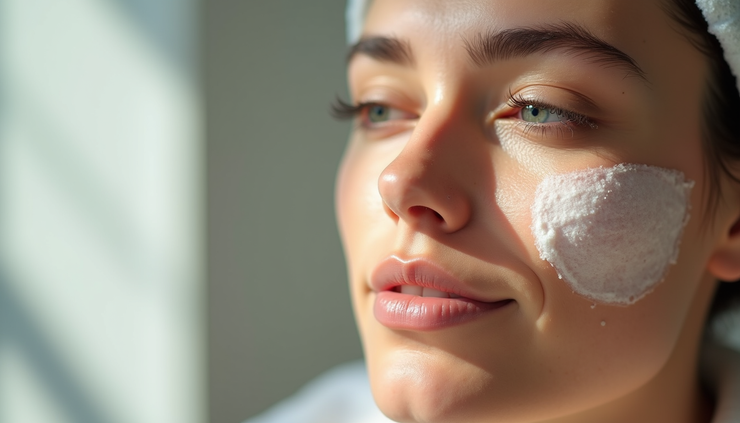
What Are Chemical Peels?
Chemical peels involve applying a solution to the skin that causes the outer layers to exfoliate and eventually peel off. This process reveals fresher, less damaged skin underneath. The solutions typically contain acids such as glycolic acid, salicylic acid, or trichloroacetic acid, each suited for different skin types and concerns.
The depth of the peel varies from superficial to deep, depending on the ingredients and concentration used. Superficial peels target the outermost layer, while deeper peels reach further into the skin to address more serious issues.
How Chemical Peels Improve Skin Appearance
Chemical peels work by removing dead skin cells and stimulating the skin’s natural regeneration process. This leads to several visible improvements:
Smoother texture: Peels reduce rough patches and uneven skin texture.
Brighter complexion: Removing dull surface cells reveals a more radiant glow.
Reduced pigmentation: Peels can lighten dark spots, sun damage and uneven tone.
Minimized fine lines: By encouraging collagen production peels help soften wrinkles.
Clearer pores: Peels unclog pores and reduce acne breakouts.
Benefits for Different Skin Concerns
Acne and Acne Scars
Chemical peels are effective in managing acne by exfoliating dead skin and reducing oil buildup that clogs pores. Salicylic acid peels, in particular, penetrate oily skin and help reduce inflammation. Over time, peels can also fade acne scars by promoting new skin growth.
Sun Damage and Hyperpigmentation
Sun exposure causes dark spots and uneven pigmentation. Chemical peels remove damaged skin layers and encourage the growth of new, evenly pigmented skin. This can significantly improve the appearance of sun spots and melasma.
Aging Skin
As skin ages, it loses collagen and elasticity, leading to wrinkles and sagging. Medium-depth peels stimulate collagen production, which firms the skin and reduces fine lines. Regular treatments can maintain a youthful look by keeping skin cells active.
Rough or Dull Skin
If your skin looks tired or feels rough, chemical peels offer a quick way to refresh your complexion. By sloughing off dead cells, peels reveal smoother, softer skin that reflects light better, giving a natural glow.
What to Expect During and After Treatment
Chemical peel treatments typically last 30 to 60 minutes. The skin may feel a mild burning or tingling sensation during the application. After the peel, redness and peeling are common for a few days to a week, depending on the peel’s strength.
It’s important to follow post-treatment care instructions, such as avoiding sun exposure and using gentle moisturizers. Most people see noticeable improvements within a week, with continued benefits as the skin heals.
Choosing the Right Chemical Peel
Not all chemical peels are the same. A skincare professional can recommend the best type based on your skin type, concerns, and goals. For example:
Superficial peels are suitable for sensitive skin and minor issues.
Medium peels target moderate wrinkles and pigmentation.
Deep peels address severe damage but require longer recovery.
Discuss your medical history and any skin conditions with your provider to ensure safety and effectiveness.
Safety and Considerations
Chemical peels are generally safe when performed by trained professionals. However, some risks include irritation, redness, and temporary discoloration. People with certain skin types or conditions should avoid deep peels or seek alternatives.
Always do a patch test if you have sensitive skin and follow all aftercare advice to minimize side effects. Using sunscreen daily after a peel is crucial to protect the new skin.
Final Thoughts on Chemical Peels
Chemical peels offer a versatile and effective way to improve skin texture, tone, and clarity. Whether you want to reduce acne scars, brighten dull skin, or soften wrinkles, peels can help unlock a radiant complexion. By choosing the right peel and following proper care, you can enjoy lasting skin benefits with minimal downtime.
We do have a 20% discount for the month of March on our Anti-aging peel! Call today to schedule. 850-541-9814


Comments