


Unlocking the Benefits of Lymphatic Drainage for Better Health and Wellness

The human body has a remarkable system designed to maintain balance and protect against illness. One crucial but often overlooked part of this system is the lymphatic system. Lymphatic drainage, a technique that supports this system, offers a range of health and wellness benefits. Understanding how lymphatic drainage works and why it matters can help you make informed choices about your health.
What Is the Lymphatic System and Why It Matters
The lymphatic system is a network of vessels, nodes, and organs that work together to remove waste, toxins, and excess fluids from the body. It also plays a key role in immune function by transporting white blood cells and filtering harmful substances.
Unlike the circulatory system, the lymphatic system does not have a central pump like the heart. Instead, it relies on muscle movement, breathing, and manual stimulation to move lymph fluid through the vessels. When this flow slows or becomes blocked, it can lead to swelling, discomfort, and a weakened immune response.
How Lymphatic Drainage Works
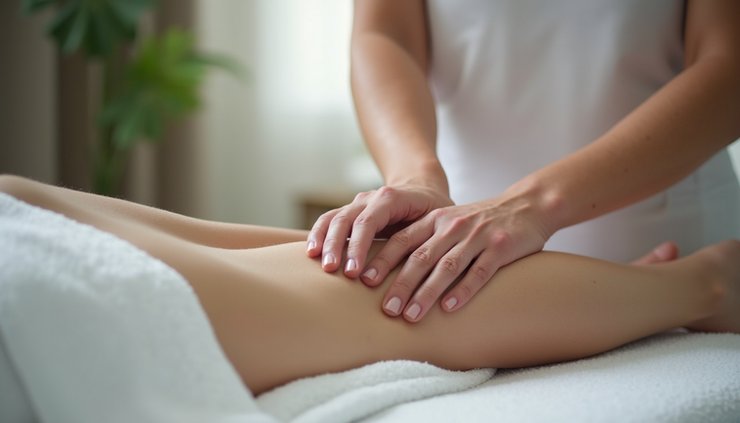
Lymphatic drainage is a gentle massage technique designed to encourage the natural flow of lymph fluid. It uses light, rhythmic strokes that follow the direction of lymph vessels, helping to clear blockages and promote circulation.
This technique can be performed by trained therapists or through self-massage practices. The goal is to stimulate the lymph nodes and vessels, supporting the body’s ability to detoxify and maintain fluid balance.
Key Benefits of Lymphatic Drainage
Reduces Swelling and Fluid Retention
One of the most immediate benefits of lymphatic drainage is the reduction of swelling caused by fluid buildup. This is especially helpful for people recovering from surgery, injury, or conditions like lymphedema. By improving lymph flow, the massage helps the body remove excess fluid more efficiently.
Supports Immune Function
The lymphatic system is a vital part of the immune system. Lymph nodes filter out bacteria, viruses, and other harmful substances. Stimulating lymph flow through drainage massage can enhance the body’s ability to fight infections and maintain overall health.
Promotes Detoxification
Toxins and waste products accumulate in the lymph fluid. When lymph flow is sluggish, these substances can build up and contribute to fatigue, skin problems, and other health issues. Lymphatic drainage helps the body flush out these toxins, supporting clearer skin and increased energy.
Relieves Stress and Enhances Relaxation
The gentle, rhythmic movements used in lymphatic drainage have a calming effect on the nervous system. Many people report feeling deeply relaxed after a session, which can reduce stress levels and improve sleep quality.
Improves Circulation and Skin Health
By promoting better fluid movement, lymphatic drainage can improve blood circulation. This supports nutrient delivery to tissues and helps maintain healthy skin tone and texture. Some people notice a reduction in puffiness and a more radiant complexion after treatment.
Who Can Benefit from Lymphatic Drainage
Lymphatic drainage is suitable for a wide range of people, including:
Individuals recovering from surgery or injury
People with chronic swelling or lymphedema
Those experiencing frequent infections or weakened immunity
Anyone looking to support detoxification and improve skin health
People dealing with stress and seeking relaxation techniques
Before starting lymphatic drainage therapy, it is important to consult with a healthcare provider, especially if you have certain medical conditions such as heart problems, infections, or blood clots.
How to Incorporate Lymphatic Drainage into Your Wellness Routine
Professional Lymphatic Drainage Massage
Visiting a certified lymphatic drainage therapist ensures the technique is performed correctly and safely. Sessions typically last between 30 and 60 minutes and can be scheduled regularly depending on your health goals.
Self-Massage Techniques
You can learn simple lymphatic drainage strokes to perform at home. These usually involve light pressure and slow, circular movements around key lymph node areas such as the neck, underarms, and groin.
Supportive Lifestyle Habits
To maximize the benefits of lymphatic drainage, combine it with habits that encourage lymph flow:
Regular physical activity, especially walking and stretching
Staying well-hydrated to help lymph fluid move smoothly
Deep breathing exercises to stimulate lymph movement in the chest
Wearing loose clothing to avoid restricting lymph vessels
What to Expect During and After Lymphatic Drainage
During a session, you may feel gentle pressure and a soothing rhythm as the therapist works along your lymph pathways. The massage should never be painful or uncomfortable.
After treatment, some people experience increased urination or mild fatigue as the body processes toxins. These effects are usually temporary and indicate that the lymphatic system is responding.
Scientific Support and Research
Research shows that lymphatic drainage can be effective in managing lymphedema and reducing post-surgical swelling. Studies also suggest benefits for skin health and immune support, though more research is needed to fully understand all effects.
A 2018 study published in the Journal of Clinical Medicine found that manual lymphatic drainage improved lymph flow and reduced swelling in breast cancer patients after surgery. Another study in Dermatologic Therapy highlighted improvements in skin texture and reduced inflammation following lymphatic massage.


Comments